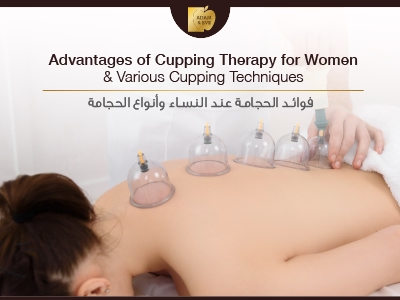
Cupping therapy has become increasingly popular, originating from ancient alternative medicine in China and the Middle East. Using suction cups on the skin can improve blood flow, decrease inflammation, and assist with healing. Women in particular find a wide range of health benefits from using it, and they utilize it for overall well-being and specific treatments.
History and Origins of Cupping Therapy
Cupping therapy has a history that spans thousands of years, originating in ancient Egypt, China, and the Middle East. Documented in the Ebers Papyrus around 1550 BCE, it addressed various medical conditions. Cupping was incorporated into Traditional Chinese Medicine over 2,000 years ago to address pain and respiratory problems, while Hijama continues as a global practice in Islamic medicine.
Basic Principles of Cupping Therapy
The fundamental principle behind cupping therapy is the creation of suction on the skin, which is believed to facilitate healing by enhancing blood flow, reducing inflammation, and promoting the removal of toxins from the body. The cups, typically made of glass, bamboo, ceramic, or silicone, are placed on the skin, and suction is created either by heat (fire cupping) or mechanical devices (dry or wet cupping). The negative pressure generated by the cups draws the skin and underlying tissues upward, stimulating blood flow and promoting various therapeutic benefits.
Benefits of Cupping for Women
- Pain Relief and Muscle Relaxation
A commonly recognized advantage of cupping therapy is its capacity to alleviate pain and loosen muscles. Women dealing with long-lasting pain, like back pain, neck pain, or migraines, frequently discover notable relief through cupping. The cups' suction aids in loosening tight muscles and fascia, decreasing muscle spasms, and relieving discomfort. Cupping is a great choice for women with ailments such as fibromyalgia, arthritis, and other musculoskeletal disorders.
- Improved Blood Circulation
Enhanced blood flow is a major advantage of cupping therapy. Cupping improves oxygen and nutrient delivery to tissues by increasing blood flow to the affected area, also helping in the removal of waste products and toxins. This increased blood flow can be especially advantageous for women in tackling problems such as poor circulation, varicose veins, and cellulite. Improved blood flow also benefits overall heart health and contributes to keeping the skin in good condition.
- Skin Health and Anti-Aging
Cupping therapy has become increasingly popular as a natural and non-invasive way to enhance skin health and fight the effects of aging. Enhanced blood flow and better circulation help nourish the skin, decreasing the visibility of fine lines and wrinkles, and encouraging a healthy, youthful radiance. Cupping can also assist in treating acne and other skin issues by enhancing lymphatic drainage and decreasing inflammation. Women who integrate cupping into their skincare regimen often observe a marked enhancement in their skin's feel and look.
- Stress and Anxiety Reduction
Many women often experience stress and anxiety, which can be effectively reduced through the use of cupping therapy. The calming impact of cupping is beneficial in soothing the nervous system, decreasing stress hormones, and enhancing overall well-being. The soft pulling and regular motion of the cups can also encourage the production of endorphins, which are the body's natural pain relievers and mood boosters. Routine cupping appointments can offer women a necessary break from the stresses of everyday life and help enhance mental well-being.
- Menstrual and Reproductive Health
Cupping therapy can provide great advantages specifically for women facing menstrual and reproductive health problems. It can assist in easing menstrual pain, regulating menstrual periods, and managing symptoms of conditions such as endometriosis and polycystic ovary syndrome (PCOS). Cupping can enhance fertility by supporting reproductive health by improving blood flow to the pelvic area and reducing inflammation. Furthermore, cupping could offer relief for menopause symptoms like hot flashes and night sweats, giving women a natural option instead of hormone replacement therapy.
- Immune System Support
A healthy immune system is necessary for physical well-being, and cupping therapy can help enhance immunity. Cupping helps in enhancing circulation and lymphatic drainage, which assists in eliminating toxins and waste from the body, ultimately boosting the efficiency of the immune system. Frequent cupping sessions can help boost the body's immune system, making it more effective at fighting off sickness and infections. Cupping can be a valuable ally for women who are susceptible to colds, flu, or other infections to keep their health in balance.
- Detoxification
Cupping therapy is frequently utilized for detoxifying purposes, helping in the elimination of toxins and impurities from the body. The cup’s suction promotes the flow of stagnant blood and lymphatic fluid, aiding in the removal of waste products. This detoxifying process can enhance overall well-being, decrease inflammation, and promote the body's innate healing mechanisms. Females who regularly receive cupping therapy sessions frequently mention feeling more energized, rejuvenated, and free from the impacts of toxin accumulation.
Types of Cupping
- Dry Cupping
Dry cupping is the most common form of cupping therapy and involves placing cups on the skin to create suction without any incisions or bloodletting. This technique is used to relieve muscle tension, improve circulation, and promote relaxation. Dry cupping is often performed using glass or silicone cups and can be combined with other therapies, such as massage or acupuncture, for enhanced benefits.
- Wet Cupping (Hijama)
Wet cupping, also known as Hijama, involves creating suction with the cups followed by small incisions on the skin to draw out a small amount of blood. This technique is believed to remove toxins and impurities from the body, providing a more intensive form of detoxification. Wet cupping is commonly practiced in traditional Islamic medicine and is used to treat a variety of conditions, including chronic pain, high blood pressure, and skin disorders.
- Fire Cupping
Fire cupping is a traditional technique that involves using a flame to create suction within glass cups. The practitioner briefly heats the inside of the cup with a flame and then quickly places it on the skin. As the air inside the cup cools, it creates a vacuum, drawing the skin and underlying tissues upward. Fire cupping is often used to relieve muscle tension, improve circulation, and promote relaxation. It requires skill and experience to perform safely, making it important to seek treatment from a qualified practitioner.
- Massage Cupping
Massage cupping combines the benefits of cupping therapy with the therapeutic effects of massage. In this technique, the cups are moved across the skin in a gliding motion while maintaining suction. This creates a massaging effect that helps to release muscle tension, improve circulation, and promote relaxation. Massage cupping is particularly effective for treating large muscle groups, such as the back, shoulders, and thighs, and can be a soothing and rejuvenating experience for women.
- Flash Cupping
Flash cupping, also known as empty cupping or rapid cupping, involves the quick placement and removal of cups on the skin. This technique is used to stimulate the skin and underlying tissues, improve circulation, and promote the flow of energy (Qi) in traditional Chinese medicine. Flash cupping is often used as a preparatory technique before other forms of cupping or as a standalone treatment for conditions like muscle tension and stress.
- Silicone Cupping
Silicone cupping is a modern variation of traditional cupping techniques and involves using flexible silicone cups to create suction on the skin. These cups are easy to use, adjustable in intensity, and can be applied to various parts of the body. Silicone cupping is often used for self-treatment at home and is an excellent option for women who want to incorporate cupping into their regular wellness routine. It provides the benefits of traditional cupping with added convenience and comfort.
How to Prepare for a Cupping Session
- Choosing a Qualified Practitioner
The first step in preparing for a cupping session is to choose a qualified practitioner. Look for a licensed and experienced therapist at Adam and Eve Specialized Medical Centre who has received formal training in cupping therapy. It's essential to ensure that the practitioner follows proper hygiene and safety protocols to minimize the risk of infection or complications. Personal recommendations, online reviews, and professional certifications can help you find a reputable practitioner.
- Pre-Session Guidelines
Before your cupping session, there are a few guidelines to follow to ensure the best possible experience:
- Hydration: Drink plenty of water before and after the session to stay hydrated and support the detoxification process.
- Avoid Heavy Meals: It's best to avoid eating a heavy meal immediately before your session. A light snack or meal is recommended if you are hungry.
- Comfortable Clothing: Wear loose, comfortable clothing that allows easy access to the areas being treated.
- Communicate Health Concerns: Inform your practitioner of any medical conditions, allergies, or concerns you may have before the session.
What to Expect During and After a Cupping Session
- The Cupping Procedure
During a cupping session, you will typically lie down on a comfortable treatment table. The practitioner will apply cups to specific areas of your body, depending on your individual needs and treatment goals. The cups may be left in place for several minutes or moved around to provide a massaging effect. You may feel a sensation of tightness or pulling as the cups create suction, but it should not be painful. The practitioner will monitor your comfort throughout the session and make adjustments as needed.
- Post-Session Care
After a cupping session, it's common to experience mild bruising or redness in the treated areas. This is a normal response to the suction and should subside within a few days. To support the healing process and enhance the benefits of cupping, consider the following post-session care tips:
- Hydration: Continue to drink plenty of water to help flush out toxins and support overall health.
- Rest: Allow your body time to rest and recover after the session. Avoid strenuous activities and heavy exercise for 24─48 hours.
- Warm Compress: Apply a warm compress to the treated areas to soothe any discomfort and promote relaxation.
- Avoid Exposure: Keep the treated areas covered and protected from extreme temperatures, direct sunlight, and harsh chemicals.
Potential Risks and Considerations
Common Side Effects
While cupping therapy is generally safe, there are some common side effects to be aware of:
- Bruising: Temporary bruising or redness in the treated areas is common and usually resolves within a few days.
- Skin Irritation: Some individuals may experience mild skin irritation or sensitivity in the areas where the cups were applied.
- Dizziness: It's possible to feel lightheaded or dizzy during or after the session, especially if you are new to cupping.
Who Should Avoid Cupping?
Cupping therapy may not be suitable for everyone. Individuals with the following conditions should avoid cupping or consult with a healthcare provider before undergoing treatment:
- Bleeding Disorders: People with bleeding disorders, such as hemophilia, or those taking blood-thinning medications should avoid cupping.
- Skin Conditions: Individuals with severe skin conditions, such as eczema, psoriasis, or open wounds, should avoid cupping in the affected areas.
- Pregnancy: Pregnant women should consult with their healthcare provider before undergoing cupping, especially in the abdominal or lower back areas.
- Infection: Avoid cupping if you have an active infection or fever.
Summary of Benefits
Cupping therapy offers a wide range of benefits for women, addressing various health and wellness concerns. From pain relief and muscle relaxation to improved skin health and stress reduction, cupping provides a natural and holistic approach to enhancing overall well-being. By improving blood circulation, supporting reproductive health, and boosting the immune system, cupping can be a valuable addition to any woman's health regimen.
FAQs
Q: How Often Should Women Undergo Cupping Therapy?
A: The frequency of cupping therapy sessions can vary depending on individual health goals and conditions treated. It's recommended to discuss session frequency with a qualified practitioner to determine a suitable treatment plan.
Q: Is Cupping Therapy Safe for Women?
A: When performed by a trained practitioner, cupping therapy is generally safe for women. It's important to follow hygiene standards and ensure cups are applied with appropriate suction to avoid skin irritation.
Q: How Quickly Can Women Expect to Experience Results from Cupping Therapy?
A: Results from cupping therapy can vary depending on the individual and the condition being treated. Some people notice immediate relief, while for others, it may take several sessions to achieve the best results.
Q: Is Cupping Therapy Painful?
A: Cupping therapy may cause mild discomfort or bruising, but it is generally not painful. Most people find it relaxing and soothing during and after the session.
Conclusion
Having an open mind and being willing to discover the benefits of cupping therapy is essential. Choosing an experienced practitioner at Adam and Eve Specialized Medical Centre and following suggested pre- and post-session guidelines allows women to make the most of its benefits. Whether employed independently or in conjunction with other therapies, cupping presents a unique approach to improving health, well-being, and energy.
Possible advantages consist of better blood flow, decreased swelling, and specific treatment for different conditions. Engaging in this age-old tradition can offer comprehensive assistance, leading to general wellness and a well-rounded approach to healthcare.
Key takeaways
- Follow personalized care plans and medical guidance
- Consult a licensed practitioner for tailored recommendations
- Prioritize hydration, balanced recovery, and clinician aftercare
This article is general information and does not replace an individual consultation. Suitability, risks and expected outcomes are discussed with your clinician.


